
BLACK SWAN GROUP™
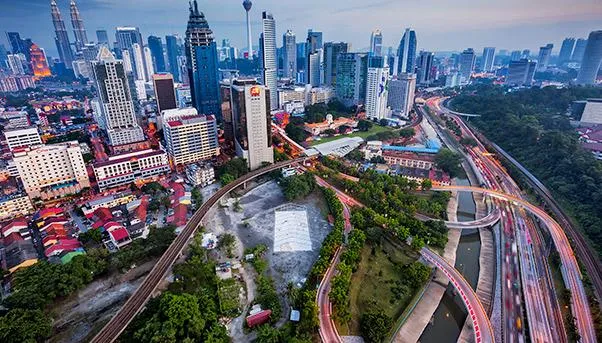
Hustle and Bustle of Kuala Lumpur
Transit Infrastructure has been the backbone for economic growth of any nation, as these developments will improve productivity of work force through convenience of commuting to work, as well as reduce traffic congestion and pollution.
To understand sustainable urban development better, we can first identify what the policy makers are trying to accomplish. To name a few:
1. Economic Productivity
2. Sustainable Development
3. Social Integration
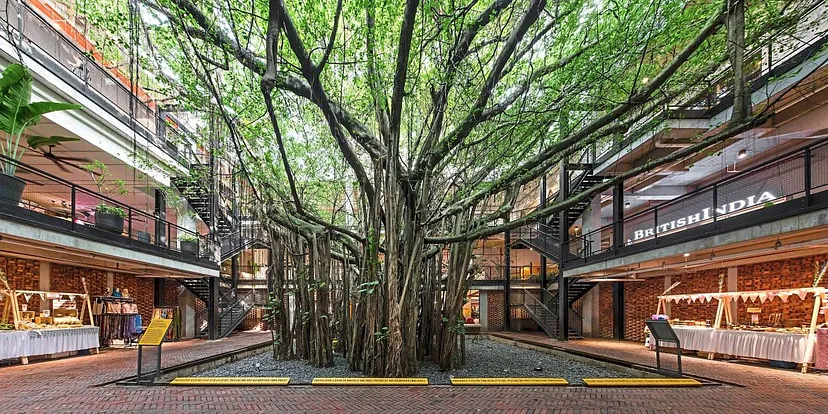
The design and construction of The Linc , a great example for sustainable development in KL, was done while retaining the six pre-existing trees on the grounds.
City centers are characterized with skyscrapers, busy roads & infrastructures. And this pattern seems to be consistent in most countries of the world, and these are essential to economic productivity and hence, GDP growth.
The new era of economic growth has its own set of challenges — How to be environmentally and socially responsible, in accordance to foster economic expansion?
One of the best initiative is Public Transit Infrastructure. We can look at it from few different aspects:
Productivity
Travel and commuting to work makes up a huge part of wasted productivity, with many living in and outside of KL are no stranger to get stuck in traffic before and after work.
Interestingly, according to a traffic data study by TomTom (a website that gathers traffic data from over 400 countries with congestion rankings), Malaysian workers lose 170 hours a year being stuck in traffic jams in KL, that is astonishing!
According to scientist and their researchers, you can watch more than 100 movies with that amount of time.
Jokes aside.
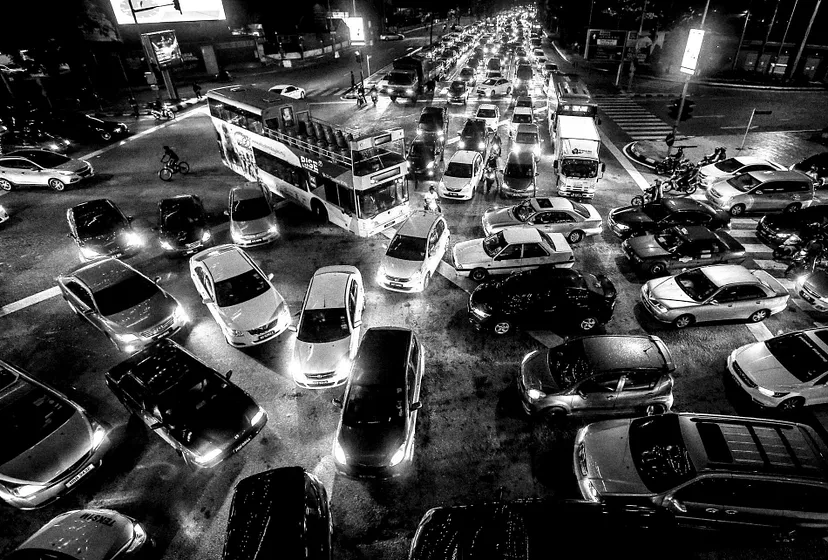
One of the most artistic traffic jam picture I have found online, cool right
A development in public infrastructures like MRT3 Circle Line will definitely help in nation’s productivity for very simple reasons, which is reducing traffic congestion and increase efficiency on the workforce. We shall discuss further on MRT3 Circle Line’s impact and changes in the next discussion.
Sustainability
According to a 1987 United Nation’s report, sustainability is “development that meets the needs of the present without compromising the ability of future generations to meet their own needs.”
Global warming and climate change as a result of pollution has been the problem of the new decade of economic expansion. Globally, policy makers are paying more attention as compared to our industrial times.
Again, Public Transit will reduce the amount of pollution from motor vehicles and create a more sustainable environment for future generation developments.
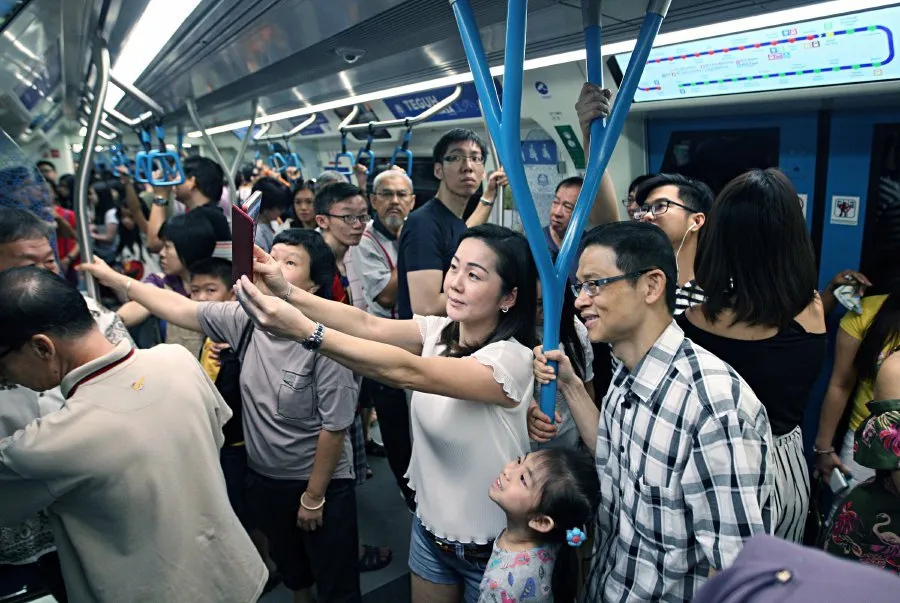
Passengers on Sungai Buloh — Kajang MRT daily ridership has reached 140,000 mark!
Social Integration
On Macroeconomic view, the transit accessibility that public infrastructures offer plays a big role in social justice and integration. Citizens can travel and access to various geographical areas for their job; Students are able to utilize transiting for education; at the same time fostering areas that are connected by MRT/LRT lines for development.
All these means that citizens will not need to pay high and unaffordable rent just to be near or central to amenities, while also do not need to be socially left out due to inability to have own motor transport and having a near vicinity property to live with. These are all key and crucial areas that policy makers will also be looking at.
So, we have discussed on what Sustainable Urban Development is about, and next we are going to further extend our discussion on our latest announcement, the MRT3 Circle Line!
Hope you had a good read!